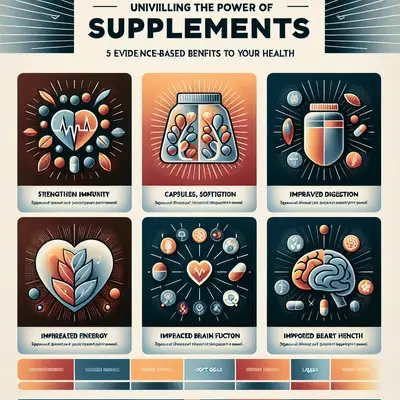
Supplements are everywhere—lining shelves, filling your social feeds, and showing up in “must-have” wellness lists. But behind every flashy claim, there’s a quieter question that matters much more: Is this actually worth putting in my body?
This guide walks through five evidence-based ways to evaluate supplements so you can make decisions that are safer, smarter, and aligned with your real health needs.
1. Start With the Gap: Do You Actually Need This Nutrient?
Before asking which supplement, it’s worth asking whether you need one at all.
Many nutrients are best obtained from food, but real life doesn’t always look like a perfectly balanced plate. Some common reasons a supplement might be useful include:
- A confirmed deficiency (for example, low vitamin D or iron on a blood test)
- Limited sun exposure or darker skin tone (vitamin D needs can be higher)
- Pregnancy or breastfeeding (higher needs for folate, iron, choline, etc.)
- Restricted diets (vegan or vegetarian diets may need B12, sometimes iron or omega-3s)
- Certain medical conditions or medications that change absorption (like metformin and B12, or proton-pump inhibitors and magnesium)
Evidence-backed example: vitamin D and B12 are two nutrients where deficiency is relatively common and can be confirmed with a lab test. In these cases, a supplement can be part of a medical treatment plan rather than a guess.
A useful way to think about it:
Food first, lab tests second, supplements third. If you can’t realistically fix the gap with your normal diet or lifestyle, that’s when a supplement becomes a targeted tool instead of an expensive habit.
2. Check the Evidence: Is It Backed by Human Studies, Not Just Claims?
Marketing will highlight bold promises; science usually sounds quieter—but it’s more reliable.
When you’re evaluating a supplement, look for these signs of stronger evidence:
- Human clinical trials, especially randomized controlled trials (RCTs), not just cell or animal studies
- Outcomes that matter to you (e.g., fewer migraines, better sleep quality, improved lab markers) rather than vague claims like “supports wellness”
- Research done in people similar to you (age, sex, health status), not a totally different population
- Consistency across multiple studies, not one isolated paper
For example:
- Creatine monohydrate has a large body of human research showing benefits for strength, muscle mass, and high-intensity performance, and it’s generally safe for healthy adults at standard doses.
- Omega‑3 fatty acids (EPA and DHA) have good evidence for reducing triglycerides and may have modest benefits for heart health in specific contexts.
- Many trendy “detox” blends, on the other hand, lack any rigorous human trials showing they improve clinically meaningful outcomes.
Red flags that the evidence is weak:
- Claims based only on mechanisms (“supports detox pathways”) with no actual human outcomes
- Heavy reliance on animal or cell data without human follow-up
- Only small, poorly designed, or non-peer-reviewed studies promoted by the brand itself
When in doubt, use trusted databases or professional reviews rather than relying on the product’s own marketing materials.
3. Dose and Form Matter as Much as the Ingredient
Seeing an ingredient on a label doesn’t guarantee you’re getting a meaningful or safe amount.
Two key issues to look at:
Is the dose close to what was used in studies?
- If research shows benefit at 3–5 g/day of creatine monohydrate, a product with 500 mg per serving is unlikely to deliver similar results. - If a study used 1,000–2,000 IU of vitamin D for deficiency under medical supervision, a supplement with 10,000 IU taken daily without monitoring could pose a risk of toxicity over time.
Is the form of the nutrient supported by evidence and bioavailability?
- Magnesium citrate, glycinate, and malate are often better tolerated and absorbed than magnesium oxide for many people. - Methylcobalamin and cyanocobalamin are both effective forms of vitamin B12, but delivery method (oral vs. sublingual vs. injection) may matter for people with absorption issues.
Label tips:
- Compare the listed dose with ranges used in clinical trials from independent sources.
- Be cautious of “proprietary blends” that list multiple ingredients without telling you how much of each is included. You can’t evaluate either effectiveness or safety without real numbers.
- More is not always better—fat-soluble vitamins (A, D, E, K) and certain minerals (iron, selenium) can be harmful at high doses.
4. Safety, Interactions, and Quality Control: What Could Go Wrong?
Even “natural” supplements can have real risks—especially when combined with medications or underlying conditions.
Key safety checkpoints:
- Drug–supplement interactions:
- St. John’s wort can interfere with antidepressants, birth control, blood thinners, and other medications.
- High-dose vitamin K can blunt the effect of warfarin (a blood thinner).
- Some herbal supplements can affect liver enzymes that metabolize drugs.
- Underlying health conditions:
- People with kidney disease may need to avoid certain minerals (like high-dose magnesium or potassium).
- Some immune-stimulating herbs may not be appropriate for autoimmune conditions.
- Population-specific risks:
- Many supplements have not been tested thoroughly in pregnancy, breastfeeding, or in children. Medical guidance is essential in these groups.
Because supplements are not regulated as tightly as prescription drugs in many countries, quality control matters:
- Look for third-party testing seals where available (for example, USP, NSF, Informed Choice) that verify the product contains what it says and is tested for contaminants.
- Avoid supplements making drug-like claims such as “cures,” “treats,” or “reverses” diseases—these are regulatory red flags.
- Be cautious of products purchased from non-reputable online marketplaces where counterfeits are documented.
When starting any new supplement, especially if you take medications or have a health condition, discuss it with a healthcare professional who can check for risks specific to you.
5. Think in Systems: How the Supplement Fits Into Your Whole Routine
A supplement cannot outrun a consistently poor diet, chronic sleep deprivation, or unmanaged stress. It works within your overall routine, not outside it.
Questions to ask yourself:
- What problem am I actually trying to solve?
“More energy” could be anemia, low B12, poor sleep, under-eating, high stress, thyroid issues, or simply too much caffeine and too little rest. A generic “energy” supplement won’t fix the wrong cause.
- Have I already optimized lower-risk, higher-impact habits?
- Patterns like consistent sleep, regular movement, and a fiber-rich, varied diet often have a larger effect size on long-term health than any single pill.
- Sometimes the most effective use of supplements is to support these habits (e.g., protein powder making it easier to reach your protein target with a busy schedule).
- Can I measure whether it’s helping?
- For something like vitamin D or iron, follow-up blood work can confirm whether the supplement is working and whether the dose needs adjustment.
- For subjective outcomes (like sleep or joint discomfort), simple tracking—symptom logs, sleep duration, frequency of headaches—can help you distinguish placebo from real change.
A practical approach:
- Change one major supplement at a time so you can tell what’s doing what.
- Give it an appropriate trial period based on the nutrient or goal (weeks to months, not days, for most).
- Re‑evaluate: is the benefit clear, uncertain, or absent? Adjust rather than continuing indefinitely out of habit.
Conclusion
Supplements can be valuable tools—but only when they’re used for the right reasons, at evidence-based doses, and within a broader lifestyle that already supports your health.
If you:
- Identify a real need or deficiency
- Check for solid human evidence
- Match dose and form to what’s been studied
- Screen for safety, interactions, and quality
- Fit the supplement into a measurable, realistic plan
…you dramatically increase the odds that what you’re taking is both safe and genuinely useful, rather than just an expensive ritual.
Used this way, supplements stop being “magic fixes” and become what they should have been all along: precise, informed additions to the foundation you build with food, movement, sleep, and medical care.
Sources
- NIH Office of Dietary Supplements – Dietary Supplements: What You Need to Know – Overview of supplement regulation, safety, and basic guidance
- Mayo Clinic – Dietary Supplements: Do They Help or Hurt? – Discusses when supplements can be useful, risks, and how to choose them
- Harvard T.H. Chan School of Public Health – Vitamins and Minerals – Evidence-based information on common vitamins/minerals, deficiency, and supplementation
- Cleveland Clinic – What to Know About Vitamin and Mineral Supplements – Practical advice on who may benefit and how to evaluate products
- NIH Office of Dietary Supplements – Omega-3 Fatty Acids Fact Sheet – Example of an evidence-based nutrient review with dosage, benefits, and safety considerations
Key Takeaway
The most important thing to remember from this article is that following these steps can lead to great results.