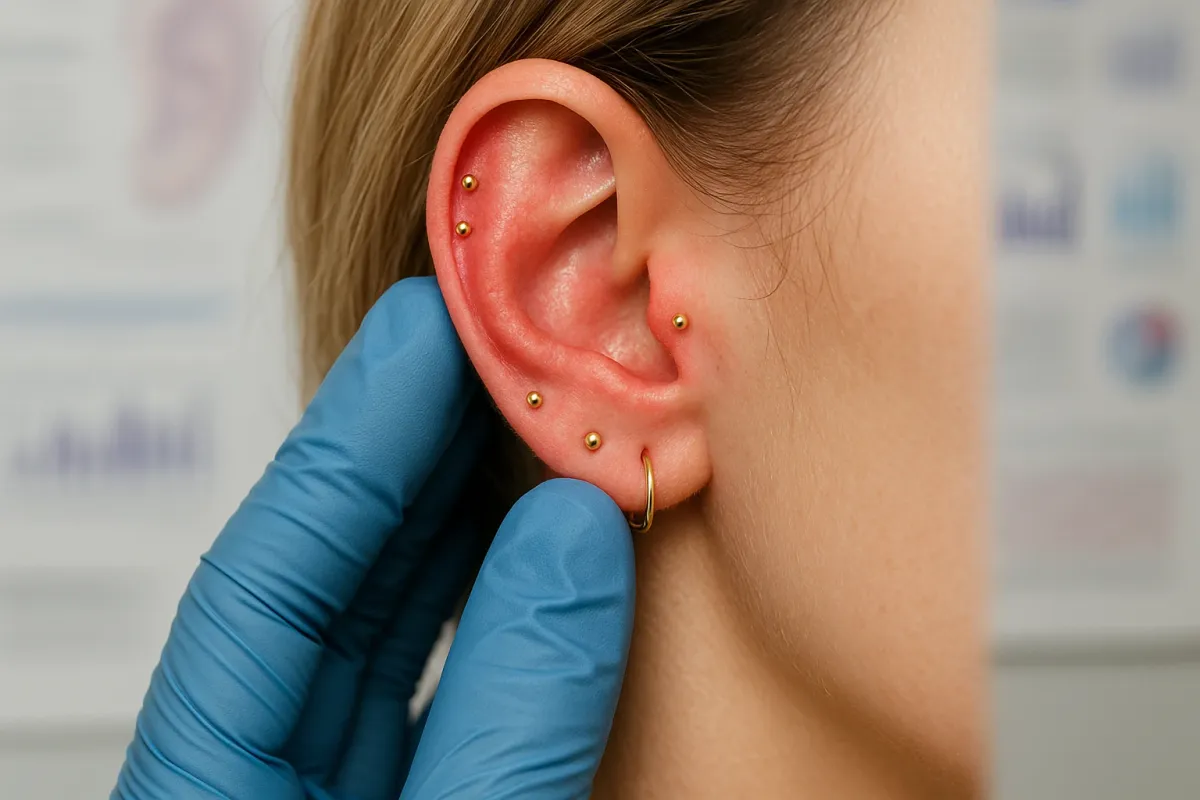
Celebrities are driving a new wave of piercing trends—from Cardi B’s viral neck and back piercings to debates around how young is “too young” for body modifications. But behind the headlines is a quieter, more important story: what does current research actually say about how piercings affect your skin, your immune system, and your overall health?
If you’re health‑conscious, thinking about a new piercing, or helping a teen navigate these trends, understanding the science matters more than the aesthetics. Below, we unpack key research-backed insights so you can make informed decisions in a world where one viral post can normalize some very intense body modifications overnight.
1. Piercings Are Controlled Wounds—And Your Immune System Treats Them That Way
From a medical perspective, every piercing is a deliberate injury. Your body doesn’t care if it’s a tiny lobe stud or an elaborate neck microdermal: it responds as if you’ve been wounded.
Research on wound healing shows a predictable sequence of events:
- Hemostasis (minutes to hours): Blood clotting stops bleeding.
- Inflammation (hours to days): White blood cells rush in to clear debris and bacteria.
- Proliferation (days to weeks): New tissue and blood vessels form.
- Remodeling (weeks to months): Collagen reorganizes and the skin strengthens.
For piercings, especially cartilage and surface areas like the neck and upper back (similar to the locations seen in recent celebrity posts), the inflammatory phase can be prolonged. Cartilage has poor blood supply, which slows healing and increases the risk of infection or scarring compared with soft tissue like earlobes.
Key research takeaways:
- Studies on body piercing complications report higher infection and keloid rates in cartilage and “high‑movement” areas (neck, chest, navel) than in earlobes.
- A 2022 review in Clinical, Cosmetic and Investigational Dermatology noted that cartilage piercings may take 6–12 months to fully stabilize, versus about 6 weeks for standard earlobe piercings.
- Chronic redness, warmth, and thickening around a piercing are not “just how your body heals”—they’re often signs of ongoing inflammation your immune system is struggling to resolve.
For anyone influenced by dramatic celebrity placements, it’s important to remember: the more complex or exposed the area, the more work your immune system has to do, and the longer you’re managing a small but real open wound.
2. Material Matters: Why “Just Any Jewelry” Can Trigger Serious Reactions
The jewelry you see in high‑definition photos or music videos may not be what’s used for safe long‑term wear. Research in dermatology and allergology is clear: metal composition is one of the biggest determinants of reaction risk.
What the science shows:
- Nickel allergy is common—estimated to affect up to 10–20% of women and 1–3% of men in some populations. Piercings are a major sensitizing event, especially in teens.
- A 2021 paper in Contact Dermatitis highlighted that nickel-releasing alloys in inexpensive jewelry are strongly associated with itching, swelling, oozing, and chronic eczema around piercing sites.
- Even “stainless steel” isn’t always safe—lower‑grade steels can still release nickel.
Evidence-based safer options for initial piercings include:
- Implant-grade titanium (ASTM F136 or ISO 5832-3)
- Niobium
- High‑karat (14k–18k) solid gold from reputable sources
Non‑reactive, low nickel release, widely recommended by professional piercers and dermatologists.
Hypoallergenic, biocompatible, with good long‑term tolerability.
Not plated, not mixed with unknown alloys. White gold can still contain nickel, so ask specifically about nickel‑free alloys.
If a trend suddenly pushes new or unusual placement (like stacked piercings along the spine or neck), that’s exactly when you do not want to cut corners on materials. The more visible or friction‑prone the area, the more critical it is to minimize contact allergy and chronic irritation, which both delay healing.
3. Piercings, Sleep, and Stress: The “Invisible” Side of Healing
Viral piercing content almost never shows the part where people are trying to sleep, manage work, and exercise while their body is actively repairing tissue. Yet studies on wound healing consistently point to three major, often overlooked, factors:
Sleep
- Controlled trials show that short‑term sleep restriction (e.g., 4–5 hours per night) can slow wound closure by up to 25–45% in small skin-injury models. - During deep sleep, your body ramps up growth hormone release, crucial for collagen synthesis and tissue repair.
Psychological stress
- Research in Brain, Behavior, and Immunity found that higher perceived stress can delay skin wound healing and reduce local immune responses, increasing infection risk. - Stress hormones like cortisol can blunt some of the immune system’s inflammatory responses needed early in healing.
Nutrition
- Deficiencies in protein, vitamin C, zinc, and iron are linked to slower skin repair and greater complication risk. - Even mild protein insufficiency (common in low‑calorie dieting) can impair collagen formation.
So if you’re considering multiple piercings at once—especially large pieces inspired by trends—you’re stacking demands on your body:
- More wounds to heal simultaneously
- More stress (pain, sleep disruption, hygiene routines)
- Higher nutrient requirements in a short window
A more research‑aligned approach: treat major or multiple piercings like a minor surgical recovery period—optimize sleep, manage stress, and ensure sufficient protein and micronutrient intake rather than assuming your body will “just deal with it.”
4. Age, Immunity, and Piercing Risks: Why “One Size Fits All” Is Misleading
Recent online debates around younger people getting dramatic piercings highlight a key issue: age and health status change your risk profile.
What research suggests:
- Children and teens
- The American Academy of Pediatrics notes that younger individuals have smaller anatomy and thinner tissue, which can make certain placements (especially cartilage or surface piercings) more prone to displacement and scarring.
- Teens are more likely to engage in higher‑risk aftercare behaviors (touching, changing jewelry early, swimming in pools/lakes) that significantly raise infection odds.
- Adults with chronic conditions
- People with diabetes, autoimmune diseases, or on immune‑suppressing medications (e.g., steroids, biologics) have higher risk of delayed healing and infection.
- A 2020 review in International Wound Journal emphasized that even small, clean wounds in these populations can progress more easily to deeper infections.
- History of keloids or hypertrophic scars
- If you or close family members have formed raised, thick scars after previous piercings or injuries, research suggests a heightened genetic tendency for abnormal scarring.
- This is especially relevant for chest, shoulder, upper back, and ear cartilage—common sites in current aesthetic trends.
In other words, “Cardi B did it” (or any other celebrity) is not a medical risk assessment. A health‑aligned decision weighs:
- Your age
- Your immune status and medical conditions
- Your history of scarring or allergies
- The specific body location and its blood supply and movement
For higher‑risk individuals, evidence supports:
- Preferring simpler, lower‑tension piercings (e.g., single lobe)
- Meticulous aftercare and professional follow‑up at early signs of complications
- In some cases, simply not pursuing certain placements at all
5. Evidence-Based Aftercare: What Actually Supports Safe Healing
Celeb posts often share the “after” shot—very rarely the weeks of cleaning routines, clothing adjustments, and sleep positions required to get there safely. Meanwhile, research and clinical guidelines offer surprisingly clear best practices.
Supported by dermatology and wound‑care literature:
Gentle cleansing, not over‑disinfection
- Isotonic saline (0.9% salt solution) or sterile wound spray is generally preferred over harsh antiseptics for routine cleaning. - Frequent alcohol or hydrogen peroxide application can dry and damage tissue, slowing healing.
Hands-off policy
- Skin microbiology studies show that your fingertips carry dense bacterial colonies, even after handwashing. - Twisting or “rotating” jewelry—still a persistent myth—creates micro‑tears and introduces bacteria deeper into the track.
Clothing and friction awareness
- Surface and neck/back piercings are particularly vulnerable to pressure, catching, and friction, which increase rejection and migration risk. - Research on mechanical stress and wound healing consistently links tension with worse scarring and delayed closure.
Watch for early warning signs
- Concerning: expanding redness, warmth, throbbing pain, pus, fever, or streaks radiating from the site. - In studies of skin and soft tissue infections, early medical treatment (sometimes including antibiotics) significantly reduces the risk of abscess formation or systemic spread.
Timing of jewelry changes
- Cartilage and complex piercings may not be ready for downsizing or style changes for several months. - Changing jewelry too early can disrupt immature tissue and restart the healing timeline.
From a health‑first, research‑aligned standpoint, the most responsible way to follow piercing trends is to plan for the aftercare window just as carefully as the aesthetic. That includes budget (for professional jewelry and follow‑ups), time, and realistic lifestyle adjustments during healing.
Conclusion
The recent wave of celebrity piercing stories may make neck, back, and multiple piercings look like simple fashion choices. Current research tells a more nuanced story: every piercing is a controlled wound that demands real immune, nutritional, and lifestyle resources to heal safely.
If you’re health‑conscious, the most empowering way to engage with these trends is to:
- Understand how your body actually heals
- Choose safer materials and placements based on evidence, not just aesthetics
- Respect the roles of sleep, stress, and nutrition in recovery
- Factor in age, medical conditions, and scar tendencies
- Commit to evidence-based aftercare, not social‑media myths
Body modification can absolutely coexist with long‑term wellness—but only when you give your body the same respect and preparation you’d give any other medical procedure. Trends come and go; your skin and immune system have to live with the decisions.
Key Takeaway
The most important thing to remember from this article is that this information can change how you think about Research.