Most health-conscious people focus on what they add to their plates—more vegetables, better protein, fewer ultra-processed foods. That’s essential. But even with a solid diet, subtle nutrient gaps are surprisingly common, and the right supplements can sometimes act as a targeted “safety net” rather than a shortcut.
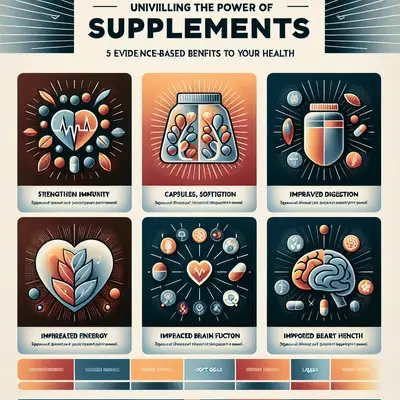
This article walks through five evidence-based insights to help you think about supplements more strategically—supporting your health without falling for hype.
1. Even “Good” Diets Can Miss Key Micronutrients
It’s easy to assume that eating “clean” or “healthy” covers all your bases, but large nutrition surveys tell a different story. In the U.S., for example, many adults don’t meet recommended intakes for nutrients like vitamin D, magnesium, calcium, and potassium—despite trying to eat well.
Several factors drive these gaps:
- Modern food patterns: Fewer whole foods, more convenience foods, and limited variety can all chip away at micronutrient intake.
- Agricultural changes: Some research suggests certain crops may contain lower mineral levels than they did decades ago, partly due to soil depletion and yield-focused farming.
- Life stage demands: Pregnancy, aging, intense training, and recovery from illness all raise nutrient needs.
- Dietary restrictions: Vegan, vegetarian, dairy-free, or gluten-free diets can be very healthy—but they also increase the risk of missing specific nutrients (like B12, iron, or calcium).
In these situations, supplements aren’t a replacement for nutrient-dense food, but they can be a targeted tool to close predictable gaps. For example, vitamin D for those with limited sun exposure, B12 for people on a long-term vegan diet, or iodine when using only non-iodized specialty salts.
The key is to identify where your actual gaps are, rather than collecting bottles “just in case.”
2. Bioavailability Matters as Much as Milligrams on the Label
Two supplements can list the same nutrient and dose but behave very differently in your body. That difference often comes down to bioavailability—how well a nutrient is absorbed and used.
A few practical examples:
- Iron:
- Ferrous sulfate is common and inexpensive but can cause GI discomfort in some people.
- Other forms (like ferrous bisglycinate) may be better tolerated and absorbed for some users.
- Magnesium:
- Magnesium oxide has a high elemental magnesium content but relatively poor absorption and a higher chance of causing loose stools.
- Forms like magnesium citrate, glycinate, or malate may be better absorbed and are often preferred for long-term use.
- Calcium:
- Calcium carbonate is best absorbed with food and may cause more GI issues for some people.
- Calcium citrate can be better tolerated and doesn’t require stomach acid to the same extent.
Bioavailability is also affected by timing and combinations:
- Calcium can compete with iron and some thyroid medications for absorption when taken at the same time.
- Vitamin C can enhance non-heme iron absorption.
- Fat-soluble vitamins (A, D, E, K) are better absorbed with a meal containing some fat.
Looking beyond the front-of-label claims and asking, “How well will this form of the nutrient work for me—and how will I take it?” is a smarter way to evaluate any supplement.
3. Your Life Stage, Medications, and Health Status Shape What’s “Right”
The same supplement can be helpful, neutral, or problematic depending on the person. Context matters—even for “simple” vitamins and minerals.
A few evidence-based patterns:
- Pregnancy and preconception:
- Folic acid (or methylfolate in some cases) before and during early pregnancy supports healthy neural tube development.
- Iron, iodine, and choline are often worth close attention, but doses should be guided by your healthcare provider and local guidelines.
- Aging and later adulthood:
- Vitamin B12 absorption declines with age in many people due to changes in stomach acid and intrinsic factor. A supplement can be important even with adequate dietary intake.
- Vitamin D and calcium support bone health, especially post-menopause and in older adults.
- Medication interactions:
- Some supplements can alter how medications work. For example, St. John’s wort can affect how the liver processes many drugs, including some antidepressants, birth control pills, and blood thinners.
- Blood-thinning medications (like warfarin) can interact with vitamin K intake, making consistency—and medical supervision—essential.
Because of these nuances, it’s wise to:
- Keep an updated list of your supplements and medications.
- Share that list with your doctor or pharmacist, especially before surgeries, starting new prescriptions, or changes in doses.
- Avoid self-prescribing high-dose supplements “because they’re natural” without checking interactions.
Personalized advice from a clinician who knows your history is often the difference between a supplement being genuinely helpful or quietly risky.
4. “More” Isn’t Better: Understanding Safe Upper Limits
Water is essential—but too much at once can be harmful. Supplements follow the same logic. Most vitamins and minerals have a tolerable upper intake level (UL)—the daily amount unlikely to cause harm for most healthy people.
Potential issues with excessive intake include:
- Fat-soluble vitamin buildup: Vitamins A, D, E, and K can accumulate in the body. Very high doses of vitamin A over time, for example, can harm the liver and bones and are particularly risky in pregnancy.
- Mineral imbalances: High-dose zinc can impair copper absorption; too much calcium from supplements may be linked in some studies to kidney stones in susceptible people.
- Overlapping products: A multivitamin, separate “hair/skin/nails” blend, and a “bone support” formula might all contain vitamin A or selenium, pushing your total intake beyond what’s safe—without you realizing it.
A safer strategy:
- Use supplements to top up what you can’t reliably meet with diet and lifestyle—rather than aiming for “maximal” intakes.
- Check Nutrition Facts panels and add up what you’re getting across products.
- Be especially cautious with high-dose single nutrients unless supervised (for example, high-dose vitamin D with lab monitoring).
Public health agencies publish intake guidelines, and while they can’t account for every individual nuance, they offer a solid baseline for what’s considered safe and appropriate for most people.
5. Lab Testing and Tracking Can Turn Guesswork into Strategy
One of the most powerful ways to use supplements wisely is to connect them to objective data and clear outcomes, rather than assumptions.
Helpful approaches include:
- Targeted blood tests:
- Vitamin D (25(OH)D) levels can guide whether you truly need a supplement and at what dose.
- Ferritin and other iron markers help distinguish between iron deficiency, adequate stores, or overload—something you cannot safely guess from symptoms alone.
- Symptom and intake tracking:
- Logging energy levels, sleep, digestive symptoms, and supplement use for a few weeks can reveal patterns: what seems to help, what doesn’t, and what might cause side effects.
- Food diaries (even short-term) can help identify whether you’re consistently low in particular food groups, like dairy, seafood, or legumes, that are major nutrient sources.
From there, you and your healthcare provider can:
- Decide if a supplement is truly warranted.
- Set a specific goal (e.g., “bring vitamin D from 18 ng/mL to 30–40 ng/mL”).
- Re-test after a few months to confirm whether your plan is working—or needs adjustment.
This shift—from “I heard this is good” to “Here’s my baseline, intervention, and re-check”—turns supplements into a measurable part of your health strategy, not just hopeful additions to your routine.
Conclusion
Supplements can be powerful tools, but they’re most effective when they’re precise, personalized, and anchored in evidence, not marketing. Even thoughtful eaters can have real nutrient gaps; bioavailability and interactions matter; and safe upper limits are as important as recommended intakes.
If you treat supplements as targeted support to complement a solid nutrition foundation—not as shortcuts or cure-alls—you’re far more likely to get meaningful benefits with fewer risks. When possible, pair your choices with lab data, professional guidance, and honest tracking of how you actually feel.
Used this way, supplements become less about chasing trends and more about building a quiet, reliable layer of support under the healthy habits you’re already working hard to maintain.
Sources
- National Institutes of Health Office of Dietary Supplements – Vitamin D Fact Sheet – Overview of vitamin D functions, intake recommendations, deficiency, and safety considerations.
- U.S. Department of Agriculture – What We Eat in America (NHANES) – Population-level data on nutrient intakes and common shortfalls in the U.S. diet.
- Harvard T.H. Chan School of Public Health – Multivitamin/Mineral Supplements – Evidence-based discussion of when multivitamins may help and considerations for safe use.
- National Institutes of Health Office of Dietary Supplements – Iron Fact Sheet – Details on iron needs, deficiency, supplement forms, and upper intake levels.
- Mayo Clinic – Dietary Supplements: What You Need to Know – Practical guidance on choosing and using supplements safely, including medication interactions.
Key Takeaway
The most important thing to remember from this article is that this information can change how you think about Supplements.