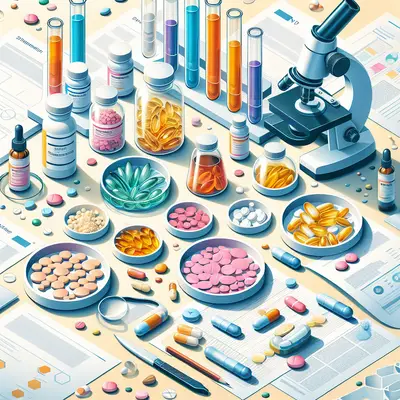
Many supplements are marketed as “natural shortcuts” to better health. But in research labs and clinical trials, the story is rarely that simple. For health-conscious people who actually care what the evidence says, the gap between marketing and data can be huge—and it’s not always obvious how to tell the difference.
This article looks at what current research really shows about supplements, highlighting five evidence-based insights that can help you navigate claims more confidently.
1. “Natural” Does Not Automatically Mean Safe or Effective
In supplement marketing, “natural” is often treated as a synonym for “safe,” but research tells a more complicated story.
Some plant-based and “natural” supplements have strong evidence for specific uses—such as omega‑3 fatty acids from fish oil for high triglycerides, or certain fiber supplements for cholesterol and blood sugar control. Others, however, can interact with medications, affect liver function, or alter blood clotting. For example, St. John’s wort can reduce the effectiveness of some antidepressants, birth control pills, and HIV medications by altering how they’re metabolized in the liver. Green tea extract in high doses has been linked to rare but documented cases of liver injury in susceptible individuals.
Regulatory frameworks also differ: in the United States, dietary supplements are regulated more like foods than drugs, which means they don’t have to prove effectiveness before reaching the market. Post‑marketing surveillance and independent testing often uncover issues only after a product is widely used. This doesn’t mean supplements are inherently unsafe; it means “natural” is not a safety guarantee, and each ingredient needs to be evaluated on its own evidence, dose, and context.
2. The “Dose Makes the Difference” in Both Benefits and Risks
The same ingredient can be helpful at one dose and problematic at another. This “dose-response” issue shows up repeatedly in supplement research.
Take vitamin D as an example. Deficiency is clearly linked to bone problems and possibly to an increased risk of falls in older adults. Correcting deficiency with appropriate supplementation can be beneficial. But very high doses taken long-term have been associated with increased risk of falls and fractures in some trials, and can cause high calcium levels in the blood. Similarly, omega‑3 supplements can lower triglycerides at well-studied doses, but very high doses may increase bleeding risk in some individuals, especially those on anticoagulant therapy.
Herbal supplements follow the same pattern. Research on turmeric/curcumin, for example, suggests potential benefits for joint pain and inflammation at specific standardized doses. Much higher intakes, especially from concentrated extracts, may lead to gastrointestinal side effects or interact with medications that affect blood clotting. When reading research or labels, it’s crucial to look at the exact dose used in trials versus what is present in a product—and avoid assuming that “more is better.”
3. Whole-Body Context Matters More Than Any Single Supplement
Supplements are often studied in very specific scenarios—such as people with a documented deficiency, a particular disease, or a clearly defined risk profile. Those results do not always apply to generally healthy, well-nourished people.
Calcium and vitamin D illustrate this nuance. In older adults living in care facilities with low dietary intake, supplementation can help reduce fracture risk. But in community-dwelling adults with adequate intake, the benefit is much smaller, and there may be trade‑offs, such as a possible increase in kidney stone risk with higher calcium intake. Similarly, antioxidant supplements like vitamin E and beta‑carotene once seemed promising for heart disease and cancer prevention. Large randomized trials in well‑nourished populations largely failed to show benefit and, in some cases, suggested potential harm at high doses.
This doesn’t negate the value of supplements; rather, it emphasizes context. Are you deficient? Is there a clear clinical indication (for example, iron deficiency anemia, B12 deficiency, or pregnancy)? Are you using a supplement as an “insurance policy” on top of an already balanced diet? Research supports the idea that supplements tend to work best when they correct a specific gap—not when they’re layered on top of an otherwise adequate intake in hopes of extra protection.
4. Quality and Formulation Can Change What Research Really Means
Even when research supports a particular ingredient, not all products on the shelf match what was tested in clinical trials. Quality control, dosage accuracy, and formulation details (such as the chemical form of a vitamin or whether an extract is standardized) can all affect outcomes.
Independent testing has sometimes found that the actual contents of supplements differ from what is listed on the label—either lower or higher doses, unlisted ingredients, or contaminants like heavy metals or pharmaceuticals. This is one reason why third‑party testing programs exist; while not perfect, they give consumers an extra layer of assurance that what’s on the label is what’s in the bottle.
Formulation matters as well. For example, the absorption of magnesium varies by form (such as magnesium citrate, glycinate, or oxide). Research that shows benefits at a specific dose of a well-absorbed form cannot be directly generalized to all forms at any dose. Similarly, plant extracts are often standardized to particular active compounds; a non‑standardized product may not deliver the same profile that was studied. When interpreting research, it’s worth asking: Does this supplement match the ingredient, form, and dose used in the evidence?
5. Combining Supplements and Medications Requires Careful Oversight
One of the most important findings from supplement research is how often ingredients can interact with medications or with each other. These interactions can amplify or reduce drug effects, change how quickly drugs are cleared from the body, or affect organ systems in unexpected ways.
For example, fish oil and other supplements with blood‑thinning effects (like high-dose garlic or ginkgo) may increase bleeding risk when combined with anticoagulants or antiplatelet drugs. Herbal supplements that influence liver enzymes—such as St. John’s wort or some forms of ginseng—can change blood levels of medications ranging from antidepressants and birth control to immunosuppressants. Even minerals like calcium and iron can interfere with the absorption of thyroid medication or certain antibiotics if taken at the same time.
Research and clinical reports consistently highlight the importance of disclosing supplement use to healthcare providers, especially before surgery, when starting a new medication, or when managing chronic conditions. A product that appears harmless in isolation can become a problem in a specific medical context. An evidence-informed approach is not just about “Does this supplement work?” but also “How does it fit with everything else I’m taking?”
Conclusion
Supplement research is more nuanced than advertising suggests. “Natural” is not a free pass, and benefits depend heavily on dose, formulation, and your individual health context. Evidence tends to be strongest when supplements are used to correct clear deficiencies or support specific, well-defined needs—not as broad, catch‑all solutions.
For health-conscious readers, the most practical way to use this research is to stay skeptical of sweeping claims, look for details on dose and population in studies, and coordinate supplement decisions with a healthcare professional who knows your full medical picture. Used thoughtfully, supplements can complement a solid nutrition and lifestyle foundation—but they work best when guided by evidence, not hype.
Sources
- National Institutes of Health Office of Dietary Supplements – Fact sheets and research summaries on vitamins, minerals, and common supplements
- U.S. Food and Drug Administration – Dietary Supplements – Regulatory information, safety alerts, and consumer guidance on supplements
- Mayo Clinic – Herbal supplements: What to know before you buy – Overview of safety, interactions, and evidence considerations for herbal products
- Harvard T.H. Chan School of Public Health – Vitamins – Evidence-based discussion of vitamin supplementation, benefits, and risks
- National Center for Complementary and Integrative Health (NCCIH) – Research-based information on dietary and herbal supplements, including safety and interactions
Key Takeaway
The most important thing to remember from this article is that this information can change how you think about Research.