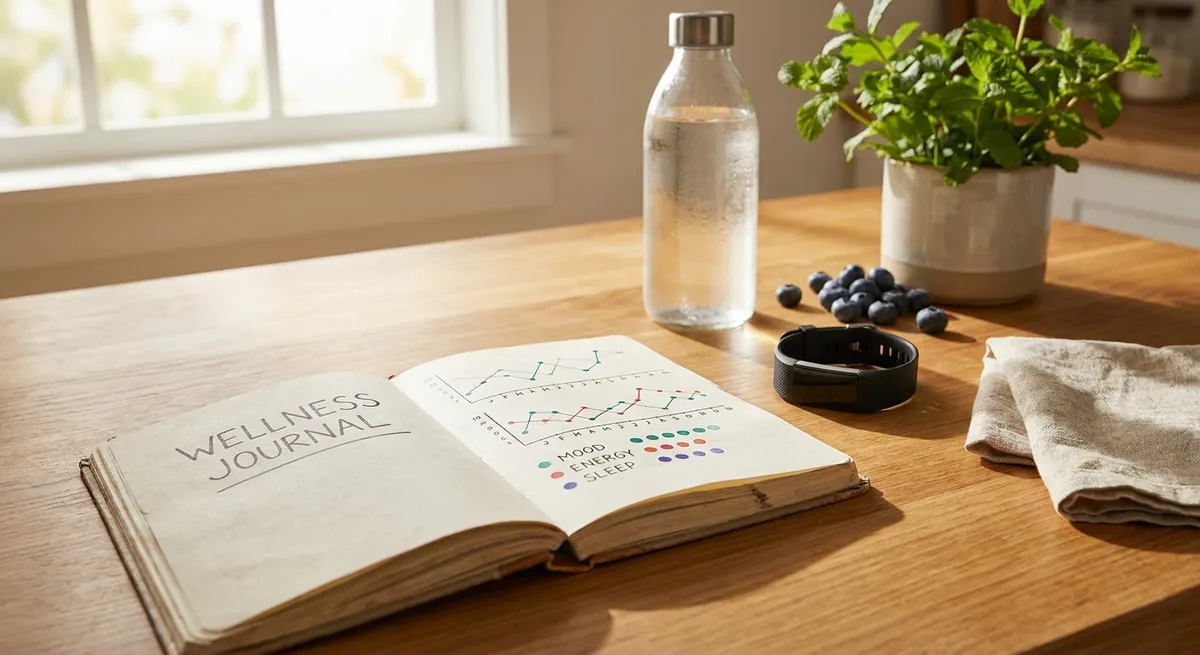
Wellness can feel vague until you connect it to things you can see, track, and feel in your daily life. Instead of chasing trends, you can build a foundation around a few habits that are consistently supported by research—and then pay attention to how your body responds. This guide focuses on five evidence-based areas where small, realistic changes can translate into measurable benefits for energy, mood, recovery, and long‑term health.
Rethinking Energy: How Blood Sugar Stability Shapes Your Day
Your energy crashes aren’t just about willpower; they’re often about blood glucose swings. When you eat a lot of refined carbohydrates without enough protein, fiber, or fat, your blood sugar can spike and then fall quickly, which many people experience as brain fog, irritability, or “afternoon collapse.”
Studies show that more stable blood sugar is linked to better cognitive performance, steadier mood, and lower long‑term risk of type 2 diabetes and cardiovascular disease. Practical ways to support this include building meals around protein (like eggs, yogurt, tofu, fish, or legumes), adding high‑fiber foods (vegetables, whole grains, beans), and pairing carbohydrates with healthy fats (nuts, seeds, olive oil, avocado). Even the order in which you eat food can matter: research suggests eating vegetables and protein before starches can blunt post‑meal glucose spikes.
For health‑conscious people using wearables or continuous glucose monitors (CGMs), this is something you can actually see on a graph. But even without devices, you can track patterns: note what you ate, then rate your energy and focus 1–3 hours afterward. Over time, this gives you a personalized map of which meals help you feel steady and which leave you drained, allowing you to use supplements—like fiber, protein powders, or omega‑3s—more strategically rather than as a first line of defense.
Sleep as the “Master Recovery System” (Not Just More Hours in Bed)
Sleep isn’t just time off; it’s an active recovery process where your brain consolidates memories, your muscles repair, and your immune system recalibrates. Research consistently ties insufficient or poor‑quality sleep to increased inflammation, reduced insulin sensitivity, higher accident risk, and lower exercise performance. But it’s not only about total hours—timing, consistency, and environment matter.
A regular sleep‑wake schedule helps anchor your circadian rhythm, which in turn stabilizes hormones like cortisol and melatonin. Aim to go to bed and wake up within roughly the same 60–90‑minute window every day, including weekends. Light exposure is another overlooked lever: bright light in the morning (especially natural daylight) and dim, warm light in the evening support healthier sleep patterns and easier time falling asleep.
If you’re tracking sleep with a wearable, focus on trends rather than obsessing over single‑night scores. Look at how changes—like reducing late‑night screen time, finishing your last heavy meal 2–3 hours before bed, or cutting back on late caffeine—alter your sleep latency (how quickly you fall asleep), nighttime awakenings, and how rested you feel in the morning. Supplements such as magnesium or certain forms of melatonin can help in specific scenarios, but their effectiveness is far greater when layered on top of solid sleep hygiene rather than used to compensate for it.
Movement as a Daily Dose, Not a Single Workout
Wellness culture often treats exercise as something you “do” for an hour, then forget about for the other 23. Yet research indicates that total daily movement—steps, standing time, and light activity—matters just as much as structured workouts for metabolic health, mood, and longevity. Long, uninterrupted sitting is associated with higher risks of cardiovascular disease and all‑cause mortality, even in people who meet weekly exercise targets.
Instead of viewing activity as an all‑or‑nothing gym session, think in terms of movement “micro‑doses” spread across the day. Short walking breaks every 30–60 minutes, taking calls while pacing, using stairs instead of elevators, and brief 5–10 minute strength “snacks” (push‑ups, squats, band pulls) all meaningfully contribute to daily energy expenditure and blood flow. These smaller intervals are more sustainable for many people and easier to build into a busy schedule.
If you use a fitness tracker, watch not only step counts but also how often you break up sitting time. Look for patterns: Does a 10‑minute walk after meals improve your digestion and post‑meal alertness? Do light evening stretches help with sleep quality? Over weeks, you can layer more structured training—like resistance-focused sessions or higher‑intensity intervals—on top of this everyday movement base, potentially supported by targeted supplements such as creatine, electrolytes, or protein where appropriate.
Nervous System Balance: Stress Management You Can Feel in Your Body
Stress is not inherently bad; it’s part of how we adapt and grow. The issue is chronic, unrelenting activation of the stress response without enough recovery. Persistent elevation of stress hormones like cortisol is linked to disrupted sleep, increased appetite, reduced immune function, and higher risk of mental health challenges.
One practical way to think about stress is in terms of your autonomic nervous system balance: the “gas pedal” (sympathetic, fight‑or‑flight) and the “brake” (parasympathetic, rest‑and‑digest). Simple practices like slow breathing (for example, 4–6 breaths per minute), brief mindfulness sessions, or pre‑planned “decompression” rituals after work (a walk, shower, or journaling) have been shown to activate the parasympathetic system and lower perceived stress.
Some wearables estimate heart rate variability (HRV), a measure that roughly reflects nervous system flexibility. While it’s not perfect, trends in HRV can help you gauge how well you’re recovering from training, work, or emotional strain. If HRV stays unusually low and resting heart rate drifts higher for several days, it may be a signal to prioritize sleep, lighter movement, and stress‑reduction rather than pushing harder. Adaptogenic supplements (like ashwagandha or rhodiola) are often discussed in this context; evidence is still emerging, and quality varies, so they’re best viewed as optional tools to test carefully, not replacements for foundational strategies like adequate sleep, movement, and social support.
Building a Personal Wellness Feedback Loop (Instead of Chasing Trends)
What turns wellness from a vague aspiration into something actionable is feedback. This doesn’t have to mean expensive lab tests or the latest device; it can be as simple as structured self‑observation. The goal is to connect specific inputs (how you eat, move, sleep, and recover) with specific outputs (energy, mood, focus, performance, and basic health markers).
You can start with a simple weekly check‑in: note average sleep duration, number of movement breaks, general stress level, and a couple of concrete behaviors (like “vegetables with lunch” or “10‑minute walk after dinner”). Then rate your energy, mood, and focus on a simple 1–10 scale. Over 4–6 weeks, patterns often emerge: perhaps your best weeks line up with a consistent bedtime, more protein at breakfast, or more time outside.
When it comes to supplements, this same feedback mindset applies. Introduce one change at a time, keep it consistent for several weeks, and track any noticeable effects (positive, neutral, or negative). Look for changes that are meaningful in your daily life: better sleep onset, less afternoon crashing, improved workout recovery, or fewer episodes of digestive discomfort. This approach helps you separate what works for your physiology and lifestyle from what simply sounds compelling in marketing or on social media.
Conclusion
Wellness becomes far more practical when you ground it in a few measurable pillars: stable energy through blood sugar awareness, restorative sleep, daily movement beyond workouts, a balanced stress response, and a simple system for personal feedback. These areas are well‑supported by research, but the way they play out in your body is individual. By combining scientific insight with your own observations—and layering supplements on top of solid habits rather than in place of them—you can build a wellness routine that is both effective and sustainable in real life.
Sources
- Centers for Disease Control and Prevention – Physical Activity Basics – Overview of how different types and amounts of physical activity impact health
- National Institutes of Health – Sleep Deprivation and Deficiency – Explains health effects of inadequate sleep and strategies to improve sleep health
- Harvard T.H. Chan School of Public Health – Carbohydrates and Blood Sugar – Details how different carbohydrates influence blood glucose and long‑term health risks
- American Psychological Association – Stress Effects on the Body – Summarizes research on how chronic stress affects multiple body systems
- Mayo Clinic – Heart Rate Variability and Stress – Discusses HRV as an emerging marker for stress and recovery
Key Takeaway
The most important thing to remember from this article is that this information can change how you think about Wellness.