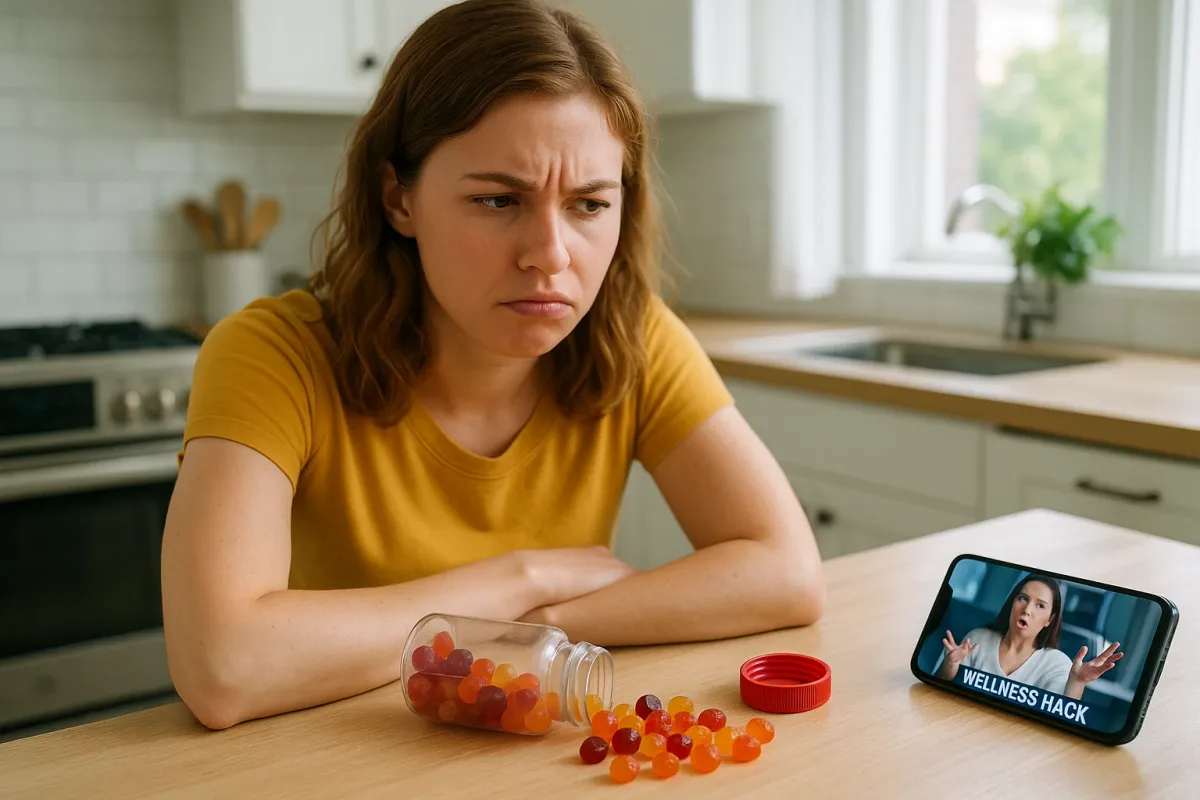
When a recent headline about a mom calling 911 after her kids ate her cannabis gummies went viral, the internet immediately split into two camps: those outraged she was arrested, and those furious the gummies were accessible in the first place. Beyond the drama, this story highlights something bigger than one family crisis—it exposes how fragile our everyday wellness routines really are when we mix potent products, kids, stress, and a culture that treats “edibles” like candy.
Whether your “gummies” are CBD, magnesium, melatonin, or THC, the lesson is the same: wellness tools can become wellness risks when they’re misunderstood or poorly managed. Instead of just doomscrolling the comments, we can use this moment to upgrade how we think about supplements, safety, and stress.
Below are five evidence-based takeaways inspired by this real incident—practical steps you can apply today to protect your health, your family, and your peace of mind.
1. Treat Every Gummy Like Medicine, Not Candy
The viral 911 call shows how easily kids can confuse cannabis gummies with regular sweets. But this isn’t only about THC. Many wellness gummies—melatonin, high-dose vitamins, magnesium, herbal blends—are formulated like treats and marketed with bright colors and fruity flavors.
From a safety standpoint, that’s a problem. The American Academy of Pediatrics and poison control centers consistently report that flavored, candy-like formats (especially gummies) are involved in a growing share of accidental ingestions in children—whether it’s cannabis, melatonin, or even iron supplements. In 2023, U.S. poison control data showed sharp rises in pediatric exposures to both cannabis edibles and melatonin, often because they were left within reach and looked like snacks.
What you can do:
- Assume every gummy is a medication. That means:
- Child-resistant caps closed fully every time
- Stored high and out of sight, not in purses, nightstands, or open kitchen bowls
- Avoid “candy bowls” of supplements. Even for adults, casual, unmeasured access makes overdosing more likely.
- Keep labels visible. Don’t decant gummies into unmarked jars that remove dosage instructions and warnings.
Thinking of your wellness products as medicine doesn’t make them “scary”—it makes them predictable, which is exactly what a healthy routine needs.
2. Know What’s Actually in Your Wellness Products
In the 911 gummy story, part of the panic comes from not knowing how much was consumed or how strong the gummies were. That uncertainty is common with many trending wellness products, especially in loosely regulated categories like hemp, cannabis, and some over-the-counter supplements.
Independent testing has repeatedly found that some CBD and THC edibles are inaccurately labeled—either underreporting or overreporting the actual amounts. Similar issues show up with herbal supplements, where strength and purity can vary significantly between brands.
Evidence to know:
- Studies in JAMA and Clinical Toxicology have found labeling inaccuracies in a substantial fraction of CBD and cannabis products.
- Dietary supplements in the U.S. are regulated as a food category, not as drugs, which means quality control depends heavily on the manufacturer.
Key habits to protect yourself:
- Look for third-party testing. Certifications like NSF, USP, Informed Choice, or reputable lab COAs (Certificates of Analysis) are better than marketing claims alone.
- Read the “per serving” dose, not just per package. With edibles, a single gummy can be a full dose—or the whole bag might be.
- Start low, go slow. For anything that affects mood, sleep, or pain—CBD, THC, melatonin, some herbs—begin at the lower end of the suggested range and adjust gradually with guidance from a health professional.
When you understand exactly what you’re taking, your “wellness stack” stops being a gamble and starts being a strategy.
3. Make Child-Safe Storage a Core Part of Your Wellness Routine
In the viral case, the mom reportedly said she was in the bathroom when her kids found the gummies. That detail is telling: most accidental ingestions don’t happen because parents “don’t care,” but because the storage system assumes kids won’t notice—or can’t reach.
Public health data suggest otherwise. Pediatric emergency visits for accidental cannabis ingestion have increased dramatically in states where edibles are legal. Similar patterns exist for melatonin and pain relievers, especially when left in bags or on counters “just for a minute.”
Build a safety system that assumes curiosity:
- Designate one “adult wellness zone.” A high cabinet or closet where all adult-only items live: prescription meds, THC products, high-dose supplements, alcohol.
- Use two layers of barriers. For higher-risk items (THC edibles, strong sleep aids, controlled meds), use:
- A child-resistant container inside
- A closed, elevated cabinet or box outside
- Avoid portable “stash spots.” Backpacks, handbags, gym bags, and nightstand drawers are easy for kids to access, especially when you’re distracted.
- Teach, but don’t rely on, rules. Even if you tell kids “never touch these,” under age 6–7 impulse control and risk understanding are still developing. Physical barriers matter more than verbal warnings.
Think of safe storage as part of your wellness practice, just like brushing your teeth or taking your vitamins. It protects not only children, but also guests, pets, and even you from accidental misuse.
4. Don’t Use Strong Products to “Patch” Chronic Stress
Stories like this often involve parents who are exhausted and overwhelmed. That’s not an excuse—but it is context. Many adults turn to edibles, strong sleep aids, or extra alcohol not because they’re chasing a high, but because they’re chasing relief.
Research on stress and substance use shows that when people are chronically burned out, they’re more likely to:
- Rely on quick-acting substances to cope
- Let safety routines slip (like secure storage)
- Struggle with judgment under fatigue
Over time, that can blur the line between “wellness tool” and “crutch.”
Healthier, evidence-backed alternatives:
- Sleep foundations before sleep products. Studies consistently show that:
- Regular sleep/wake times
- Light exposure in the morning
- Caffeine cutoffs 6–8 hours before bed
- Stress buffering with movement. Even 10–20 minutes of brisk walking per day is linked with lower perceived stress and better mood, according to multiple meta-analyses.
- Nutrients that support (but don’t replace) resilience. Adequate magnesium, omega-3 fats, and protein intake are all associated with better mood regulation and stress responses, but they work best as part of a whole lifestyle, not a quick fix.
Have deeper, more stable effects on sleep than any single pill or gummy.
If you notice your use of any product—THC, alcohol, sleep aids, even “natural” supplements—keeps increasing just to feel normal, that’s a signal to talk with a healthcare professional or therapist. Addressing the root causes of stress is a more durable form of wellness than chasing stronger relief.
5. Have a Clear Emergency Plan Before You Ever Need It
In the gummy incident, the mom did one crucial thing right: she called 911. In a true emergency—difficulty breathing, unresponsiveness, seizures, severe confusion or agitation—that’s absolutely appropriate. But for many ingestion scares, poison control centers can give fast, expert guidance tailored to what was taken, how much, and by whom.
Knowing your options before panic hits is a core part of wellness literacy.
Practical steps:
- Save these numbers in your phone:
- U.S. Poison Help Line: 1‑800‑222‑1222 (connects to your local poison center)
- Your local emergency number (911 in the U.S. and Canada)
- Keep product info handy. In an ingestion scare, you’ll be asked:
- Product name and brand
- Ingredients and strength per serving
- Approximate amount taken and when
- Don’t wait for symptoms if you’re unsure. For kids, older adults, pregnant people, or those with medical conditions, call poison control promptly if there’s any doubt. They may reassure you—or tell you to head to the ER.
For adults experimenting with potent wellness products (like cannabis edibles, high-dose sleep aids, or multiple supplements together), an emergency plan is just as important. Wellness isn’t only the absence of illness—it’s also preparedness.
Conclusion
The viral story of the mom, the gummies, and the 911 call isn’t just internet drama; it’s a mirror. It reflects how our modern wellness culture often mixes potent products, clever marketing, chronic stress, and real families—with very little education on how to use these tools safely.
You don’t have to swear off gummies, sleep aids, or stress-support supplements to be “clean” or “pure.” But you do need to:
- Treat them like medicine
- Know exactly what’s in them
- Store them like a responsible adult
- Avoid using them to paper over unrelenting stress
- Have a clear plan if something goes wrong
When we take these steps seriously, wellness stops being a risky experiment and becomes what it’s meant to be: a reliable support system for you—and everyone under your roof.
If you’d like, I can help you design a safe, evidence-based supplement and storage plan tailored to a home with kids, pets, or roommates.
Key Takeaway
The most important thing to remember from this article is that this information can change how you think about Wellness.