When Britney Spears posted about feeling “sadness and darkness” on Instagram, it reignited public concern about her well‑being. Whether you closely follow her story or not, her words landed because they echo something many people feel but rarely say out loud: “On paper, everything looks fine—but inside, I’m not okay.”
For health‑conscious people who track steps, macros, and sleep scores, emotional overload and quiet mental burnout can still fly under the radar. Spears’ public struggle is a high‑profile reminder that wellness is never just physical; psychological safety, boundaries, and support are just as non‑negotiable as good nutrition and exercise.
Below are five evidence‑based lessons we can draw from situations like hers—translated into practical steps you can apply to your own life right now.
Emotional Overload Is Physiological, Not Just “In Your Head”
When someone like Britney talks about “sadness and darkness,” it isn’t only metaphorical. Chronic emotional stress changes the brain and body in measurable ways. Functional MRI studies show that prolonged stress heightens activity in the amygdala (the brain’s threat center) and disrupts the prefrontal cortex—areas involved in emotional regulation and decision‑making (McEwen, 2017, Annual Review of Neuroscience). Over time, this can contribute to anxiety, low mood, and that numb, checked‑out feeling many people describe as “burnout.”
Stress also drives up cortisol, affects blood pressure, sleep architecture, and even immune function. A major meta‑analysis in Psychological Bulletin (Slavich & Irwin, 2014) linked chronic social stress—things like conflict, scrutiny, and feeling trapped—to increased inflammation, which is associated with depression and fatigue. That means your mental load isn’t just a mindset problem; it’s a systemic, biological load too.
What you can do today:
- Treat overwhelm like a physical health concern, not a personal weakness.
- Track stress the way you track steps: jot daily stress ratings (0–10) and notes about triggers.
- Consider simple physiological “reset” tools: slow breathing (4–6 breaths per minute), walking outdoors, or a 10‑minute body scan—shown to reduce perceived stress and improve heart‑rate variability in several trials.
Public Success Does Not Protect You From Private Distress
One reason Spears’ posts spark so much reaction is the obvious mismatch: global fame, financial success, and yet recurring distress about control, autonomy, and safety. Research consistently shows that external success (income, recognition, even physical health) predicts far less about mental well‑being than we assume. A large Gallup analysis across 160+ countries found that life evaluation (how “good” life seems on paper) diverges significantly from daily emotional experience—especially when people feel they lack control over major parts of their life.
Self‑determination theory, a major framework in psychology, suggests three needs drive well‑being: autonomy (a sense of control), competence (feeling capable), and relatedness (feeling connected). When any of these are chronically blocked—whether by a restrictive contract, a demanding job, family pressure, or social media scrutiny—your risk of poor mental health climbs, regardless of how “successful” you look from the outside.
What you can do today:
- Audit where you feel least in control: work schedule, social obligations, finances, caregiving, social media use.
- Choose one domain where you can realistically reclaim even 5–10% more autonomy this week (e.g., setting a hard stop time for work, muting certain notifications, saying no to one non‑essential commitment).
- Remember: improving one area of control can have an outsized impact on overall emotional resilience.
Social Media Connection Is Not the Same as Support
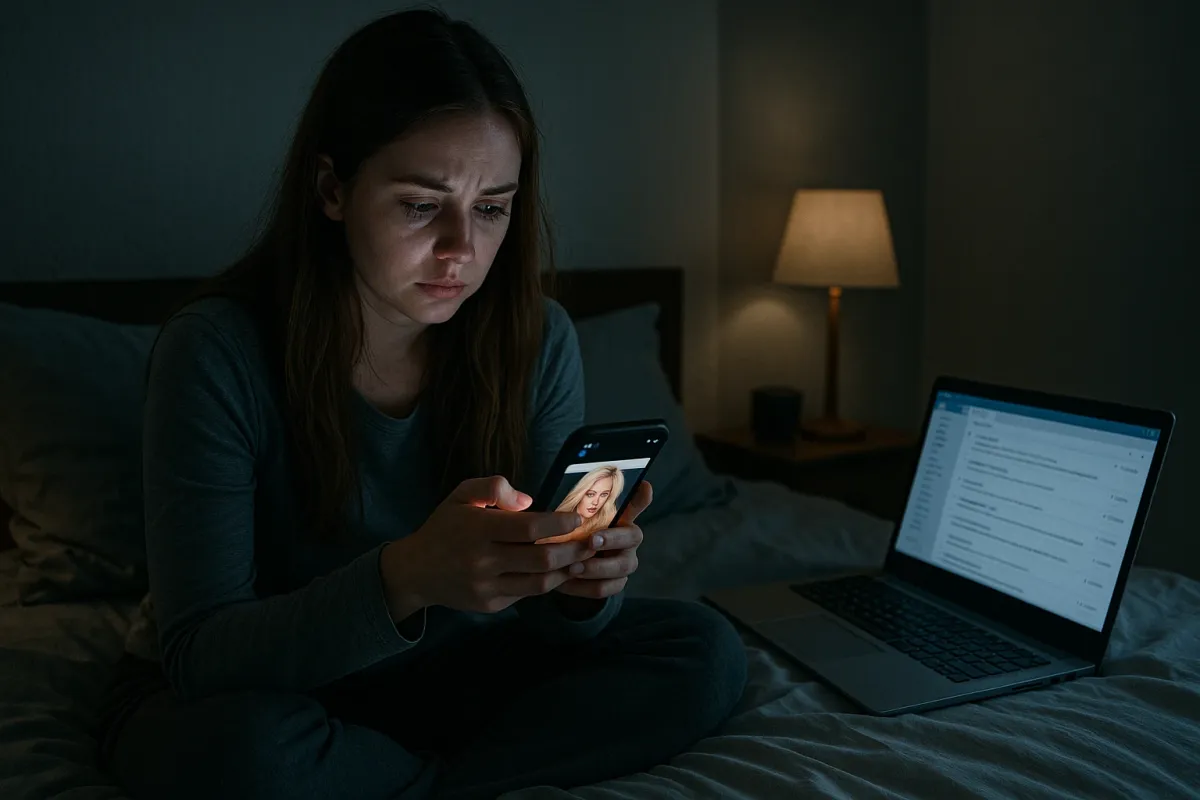
Britney’s posts generate millions of reactions, but that doesn’t automatically translate into real support. For everyday users too, social media can create a strange illusion: constant visibility without genuine safety. Observational studies have linked heavy use of image‑focused platforms (like Instagram) to higher symptoms of depression and anxiety, especially in young women, via comparison, cyberbullying, and pressure to “perform” happiness (Huang, 2017, Journal of Adolescence).
At the same time, supportive online communities can help people feel less alone—especially around stigmatized topics like mental health or chronic illness. The key difference is depth and reciprocity: are you truly known, or just seen?
What you can do today:
- Do a 48‑hour “social scan”: each time you close an app, rate how you feel (better, same, worse). Patterns show up fast.
- Curate your feed ruthlessly: unfollow or mute accounts that reliably leave you tense, inadequate, or agitated.
- Balance broadcast with connection: for every post you put out, send at least one genuine check‑in message to someone you trust.
- If you share your own struggles online, consider pairing posts with an offline step (texting a friend, scheduling therapy, journaling) so expression leads to actual support.
Boundaries Are a Mental Health Intervention, Not a Personality Quirk
A recurring theme in coverage of Spears—legal battles, media scrutiny, and family conflicts—is the erosion of boundaries: who controls her time, her work, even personal decisions. While most people will never face that level of intrusion, the underlying dynamic is familiar: saying yes when you’re depleted, being available 24/7 for work or family, feeling guilty for needing downtime.
Chronic boundary violations are associated with higher burnout, sleep problems, and depressive symptoms, particularly in caregiving and high‑demand professions. A 2020 review in The Lancet Psychiatry highlighted workload, lack of control, and work–life imbalance as key drivers of occupational burnout—factors that often trace back to unclear or disrespected boundaries.
What you can do today:
- Reframe boundaries as health strategies, not selfishness. They protect your capacity to show up long‑term.
- Start with “soft” boundaries you can enforce yourself: turning on Do Not Disturb at night, not checking work email after a set time, scheduling one non‑negotiable recovery block each week.
- Practice one clear, respectful boundary phrase, such as:
- “I can’t take that on this week, but I can help you brainstorm options.”
- “I’m not available then, but I’m free on [alternative time].”
- Notice how often you override your own limits to avoid discomfort; that’s usually a sign a boundary is needed.
Professional Help and Lifestyle Habits Work Best Together
Every time a celebrity’s mental health is discussed publicly, social media splits: some call for “therapy and medication,” others insist “they just need rest, no doctors.” Evidence shows this either/or framing is unhelpful. For conditions like major depression, anxiety disorders, PTSD, and bipolar disorder, the most robust outcomes typically come from integrated care: appropriate professional treatment plus lifestyle and social support.
Meta‑analyses in JAMA and The Lancet show that cognitive behavioral therapy (CBT), interpersonal therapy, and, when indicated, medication can significantly reduce symptoms and relapse risk. At the same time, consistent sleep, exercise, nutrition, and social connection improve both mood and response to clinical treatment. For example:
- Regular aerobic exercise (around 3 sessions/week) shows moderate antidepressant effects in many trials.
- Sleep disturbance is one of the strongest predictors of relapse in mood disorders; protecting sleep is foundational, not optional.
- Omega‑3 fatty acids (EPA‑dominant formulas), vitamin D sufficiency, and Mediterranean‑style diets are linked with lower risk of depression in several large cohort studies, though they are adjuncts, not stand‑alone cures.
What you can do today:
- If you identify with persistent “sadness and darkness,” consider this a health signal, not a moral failing. A good starting point is your primary care clinician or a licensed mental health professional.
- Build a basic “mental health foundation” kit:
- Regular sleep and wake times (even on weekends, aim for a ±1 hour window).
- A movement routine you can sustain (even 20–30 minutes of brisk walking most days).
- A mostly whole‑food diet with adequate protein, colorful plants, and healthy fats.
- At least one trusted person you can speak honestly with.
- If you use supplements, look for third‑party tested products and discuss them with your clinician—especially if you also take medications, as interactions are real.
Conclusion
Britney Spears’ posts about “sadness and darkness” are more than celebrity gossip; they’re a public case study in what happens when emotional overload, lack of control, and relentless scrutiny collide. You don’t need a global audience for the same mechanisms to affect you—high expectations, thin boundaries, and quiet distress are common in everyday professionals, caregivers, students, and health‑conscious overachievers.
Real wellness means going beyond what’s visible in the mirror or on a lab report. It includes your sense of safety, autonomy, emotional support, and ability to say “no” without guilt. If any part of her story resonates with you, let that be a cue to check in with yourself: How is your stress physiology? Where can you claim a bit more control? Are your online connections translating into real support? And do your habits and professional care—if you need it—work together, not against each other?
Taking those questions seriously isn’t dramatic or indulgent. It’s the same kind of preventive care we accept for heart health or blood sugar—applied, finally, to the mind.
Key Takeaway
The most important thing to remember from this article is that this information can change how you think about Wellness.