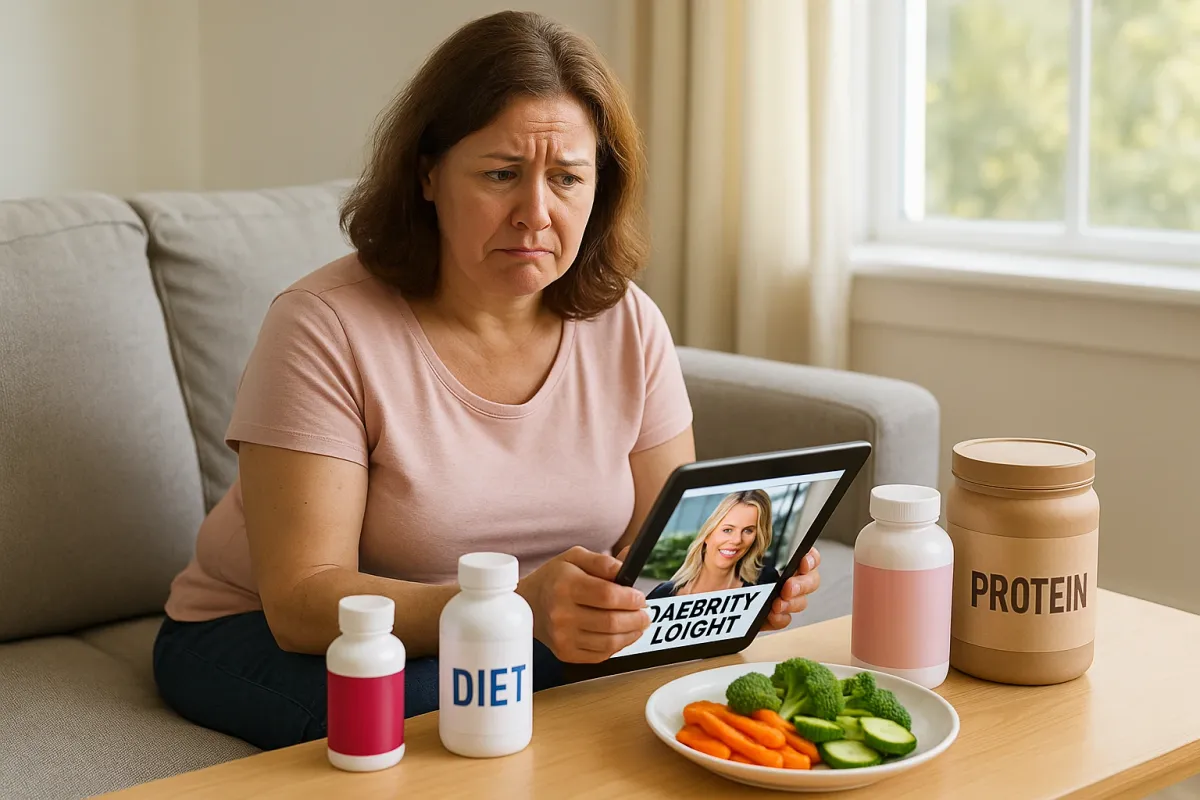
When Melissa McCarthy’s reported 95‑pound weight loss lit up social media after her recent SNL appearance, the conversation went almost immediately to one place: “Did she use weight‑loss injections?” Barbra Streisand’s now‑viral comment about Ozempic‑style drugs poured gasoline on a fire that was already burning across Hollywood and TikTok.
The debate around McCarthy’s transformation is part of a much bigger story: GLP‑1 weight‑loss medications (like semaglutide and tirzepatide), celebrity bodies, and a growing belief that nutrition has been “replaced” by a weekly shot. That belief is both understandable and dangerously incomplete. Even if a celebrity did use an injection, their long‑term health still lives or dies on what—and how—they eat.
Below are five evidence‑based truths to ground the hype in real nutrition science.
1. Weight‑Loss Injections Change Appetite—They Don’t Replace Nutrition
GLP‑1–based drugs such as semaglutide (Ozempic, Wegovy) and tirzepatide (Mounjaro, Zepbound) work primarily by changing how your body regulates appetite, blood sugar, and gastric emptying. Clinical trials show they can lead to 10–20% body‑weight reduction in many users, which is why they’ve become the center of celebrity speculation and red‑carpet “guessing games.”
But these medications do not supply nutrients. You can lose weight on GLP‑1s while still becoming deficient in protein, iron, B12, or other essentials if your intake is low or highly processed. Studies on semaglutide consistently report reduced overall food intake; without guidance, that often means “less of everything,” including critical micronutrients and protein that maintain muscle and metabolic health (Wilding et al., NEJM, 2021).
If public conversations around Melissa McCarthy or any celebrity stop at “Was it an injection?” they miss the real health question: “What does their nutrition look like now that they’re eating less?” Appetite suppression can support weight loss, but only deliberate nutrition keeps you strong, energetic, and metabolically healthy.
2. Rapid Weight Loss Without Protein Planning Risks Muscle Loss
Photos of dramatic celebrity transformations often focus on dress sizes and jawlines, not on what’s happening under the skin: the balance between fat loss and lean muscle loss. All rapid weight‑loss methods—strict diets, injections, or extreme exercise—carry a risk of losing significant lean body mass if protein and resistance training are not prioritized.
Research on low‑calorie diets shows that without adequate protein (roughly 1.2–1.6 g per kg of body weight per day for weight loss in many adults), people lose more muscle relative to fat (Weinheimer et al., Obesity Reviews, 2010). GLP‑1 medications don’t change that basic physiology; they just make it easier to eat less. If that “less” doesn’t include enough protein, the body will use muscle tissue to help cover energy and amino‑acid needs.
A practical way to protect muscle while losing weight—whether or not medication is involved—is to anchor each meal around a high‑quality protein source: eggs, Greek yogurt, cottage cheese, tofu/tempeh, fish, poultry, lean meats, or a well‑formulated protein supplement. Aim for at least 20–30 grams of protein per meal, adjusting for your body size and activity level. That strategy is more boring than a viral headline, but it’s how you keep a “before and after” from turning into “thinner but weaker.”
3. Ultra‑Processed “Diet” Foods Can Undermine Metabolic Health
When celebrity weight loss trends, diet food trends follow. We see a rush toward low‑calorie frozen meals, “zero sugar” snacks, and viral protein treats, many of which are ultra‑processed: built from refined starches, industrial oils, emulsifiers, and non‑nutritive sweeteners, with a sprinkle of protein or fiber added back.
Large observational studies associate high intake of ultra‑processed foods with increased risk of weight gain, type 2 diabetes, and cardiovascular disease, even when calorie counts are similar (Srour et al., BMJ, 2019; Hall et al., Cell Metabolism, 2019). Part of the reason: these foods are easier to overeat, less satiating, and may alter the gut microbiome and appetite regulation in ways researchers are still unpacking.
For health‑conscious readers watching Hollywood transformations, the take‑home is simple: successful, sustainable weight management is less about “diet branded” products and more about food structure. Minimally processed foods—vegetables, fruits, whole grains, legumes, nuts, seeds, quality proteins—create the nutrient density and satiety your body needs. Supplements (fiber blends, protein powders, omega‑3s) can support this framework, but they can’t fully offset a diet built on bars, shakes, and freezer‑aisle “miracles.”
4. Micronutrient Gaps Are Common During Aggressive Weight Loss
When intake drops quickly—because of appetite‑suppressing medication, aggressive calorie cuts, or simply loss of interest in food—micronutrient intake almost always drops with it. Over time, that can mean fatigue, hair thinning, weakened immunity, mood changes, and impaired recovery from exercise. These issues often get mislabeled as “side effects of weight loss,” when they are actually side effects of under‑nutrition.
Common shortfall nutrients during weight‑loss phases include:
- Iron – especially in menstruating women; deficiency can cause fatigue, cold intolerance, and reduced exercise capacity.
- Vitamin B12 – important for energy metabolism and nerve health; low intake is especially a risk in people with low meat intake or on certain medications.
- Vitamin D – already widely deficient; weight loss does not fix this and may worsen symptoms if intake/sun exposure are poor.
- Calcium & Magnesium – essential for bone health and muscle function; often low when dairy and whole plant foods are reduced.
- Omega‑3 fatty acids (EPA/DHA) – critical for heart, brain, and inflammation regulation; rarely adequate in Western diets without intentional intake.
For anyone undergoing significant weight loss—celebrities included—an evidence‑based plan typically includes: a nutrient‑dense diet, baseline bloodwork (including iron, B12, vitamin D), and a targeted supplement strategy if needed. A standard multivitamin–mineral can help “cover the bases,” but it works best when layered onto whole foods, not used as a nutritional seatbelt for an unbalanced intake.
5. The Most Reliable “Celebrity Secret” Is Boring: Consistency
Public narratives love a twist: the secret shot, the mystery cleanse, the overnight fix. In reality, high‑quality research on long‑term weight management keeps circling back to the same fundamentals:
- A modest calorie deficit (not starvation)
- Adequate protein to protect lean mass
- Mostly minimally processed foods rich in fiber
- Regular resistance and aerobic exercise
- Consistent habits over months and years, not weeks
Whether Melissa McCarthy used injections, changed her diet, focused on training, or all of the above, any long‑term success will depend on behaviors she can sustain when cameras move on. The same is true for you.
Supplements can play a supportive role in making those fundamentals easier—protein powders to hit daily protein targets, fiber supplements to support satiety and gut health, omega‑3 capsules for those who rarely eat fatty fish, or evidence‑based blends for blood‑sugar support. But they are tools, not shortcuts. The more a product or headline promises a shortcut, the more carefully you should scrutinize the nutrition underneath it.
Conclusion
The buzz around Melissa McCarthy’s reported 95‑pound weight loss and the ongoing speculation about weight‑loss injections tell us a lot about where we are culturally: fascinated by bodies, medications, and quick fixes; less interested in the quieter work of nutrition that actually protects long‑term health.
If you’re navigating your own weight‑loss or body‑composition journey in this landscape, anchor yourself in what the evidence supports: prioritize nutrient‑dense whole foods, protect your muscle with protein and resistance training, watch for micronutrient gaps, and treat any medication or supplement as a support—not a substitute—for sound nutrition.
Celebrities may have access to private chefs, trainers, and the latest prescription trends. You have something equally powerful: the ability to build daily nutrition habits that are boring, repeatable, and scientifically grounded. Over time, that’s the “secret” that actually works.
Key Takeaway
The most important thing to remember from this article is that this information can change how you think about Nutrition.