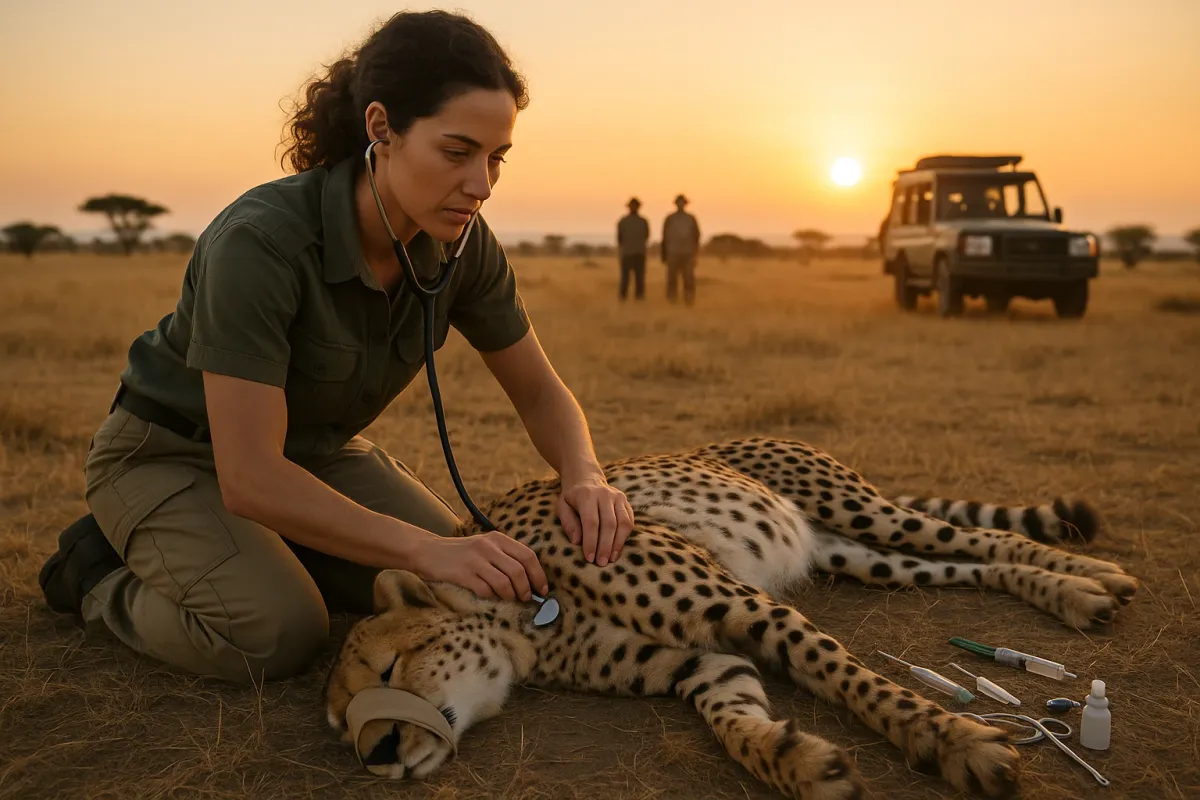
When a wildlife vet airlifts a sedated rhino or tracks a leopard using Calvin Klein perfume, there is zero room for guesswork. Doses must be precise, timing is critical, and recovery is carefully monitored. The recent feature “From Airlifting Rhinos To Using Calvin Klein To Catch Leopards: My Daily Life As A Wildlife Vet” highlights just how much science sits behind those dramatic moments in the field.
What most people miss: the same research that keeps rhinos alive under anesthesia and big cats calm enough to treat can quietly teach us a lot about stress, recovery, and performance in everyday life. At Eleven Suplements, we look closely at research—wherever it comes from—and wildlife medicine is a surprisingly rich source of lessons for anyone who cares about health optimization.
Below are five evidence‑based insights inspired by current wildlife veterinary practice and the science that supports it.
1. Stress Is Not “Bad” By Default – It’s About Dose, Duration, and Recovery
Wildlife vets manage some of the most extreme stress scenarios in biology: darting a rhino from a helicopter, immobilizing a leopard, or handling an injured predator. These animals experience a massive spike in stress hormones such as cortisol and catecholamines—but the goal is not to eliminate that stress entirely. It’s to keep it sharp, short, and followed by effective recovery.
Research in both animals and humans supports this “dose and duration” view of stress:
- Short, intense stress (also called acute stress) can actually enhance alertness, memory, and immune function when followed by adequate recovery.
- Chronic, unrelenting stress with no recovery window is what correlates strongly with higher risk of cardiovascular disease, metabolic dysfunction, mood disorders, and impaired immunity.
A large review in Nature Reviews Endocrinology highlights that it’s the pattern—not the mere presence—of cortisol that predicts health outcomes. Wildlife protocols reflect this: vets minimize the duration of handling, keep procedures efficient, and then allow extended calm, quiet recovery with minimal disturbance.
Practical takeaway:
Rather than trying to avoid all stress, focus on:
- Keeping stressful “bursts” as time‑limited as possible
- Scheduling deliberate recovery windows (sleep, light movement, relaxation techniques) after intense days or workouts
- Noticing where “always on” stress (constant notifications, late emails, or overtraining) is eroding those recovery periods
Supplements like magnesium, L‑theanine, or adaptogens (e.g., ashwagandha, rhodiola) may support stress resilience, but they work best when paired with this stress‑recovery rhythm, not instead of it.
2. Dose Precision in Wildlife Sedation Mirrors the Importance of Personalization in Supplement Use
When a vet sedates a rhino, the margin for error is tiny. Underdose, and the animal is dangerous to itself and the team. Overdose, and you risk suppressing breathing or heart function. That’s why wildlife anesthesia is calculated by body weight, species, condition, and even temperature and terrain.
In human health, we often ignore this level of nuance. Many people take “one capsule for all” supplements without considering:
- Body weight and composition
- Liver and kidney function
- Medications that share similar metabolic pathways
- Genetics that alter how we process nutrients (for example, B‑vitamin metabolism)
Research in pharmacology and nutrigenomics consistently shows substantial variation in how individuals absorb, metabolize, and respond to the same dose. For example, studies in American Journal of Clinical Nutrition show that some people are “high responders” or “low responders” to common nutrients like vitamin D or omega‑3 fatty acids.
Practical takeaway:
- Treat supplement labels as starting points, not rigid rules.
- When possible, work with a clinician who can consider labs (e.g., vitamin D levels, ferritin, B12) before deciding on dose.
- Be especially careful with fat‑soluble vitamins (A, D, E, K), iron, and herbal extracts that may interact with medications.
The wildlife parallel is clear: precision isn’t a luxury; it’s a safety feature.
3. Scent Science in Leopard Trapping Reflects How Powerful (and Underused) Sensory Cues Are for Humans
The now widely shared detail that wildlife vets and conservation teams sometimes use Calvin Klein’s “Obsession for Men” to attract big cats sounds like a quirky story—but it’s grounded in real behavioral research. Certain aromatic compounds in the fragrance are particularly interesting (and lingering) to felines, making it an effective lure for camera traps or safe capture.
This is a reminder of how profoundly sensory cues shape behavior and physiology:
- Animal studies show that specific scents can modulate stress responses, exploration behavior, and even social interaction.
- In humans, controlled trials indicate some essential oils (like lavender) can modestly reduce anxiety scores and improve perceived sleep quality, though effects are usually mild and best seen when combined with good sleep hygiene.
More broadly, neuroscience research shows that olfactory input directly connects with brain regions involved in memory, emotion, and autonomic regulation. That’s why a scent can instantly change your mood or transport you back to a specific place or time.
Practical takeaway:
- Consider intentional “sensory environments” to support recovery: consistent calming scents in your bedroom, natural light and greenery in your workspace, or soundscapes that lower arousal.
- If using aromatherapy, look for products with clear ingredient lists and avoid exaggerated claims; think of them as modest tools, not cures.
- Be aware that scent—even from personal care products—can subtly influence appetite, alertness, and mood.
Just as wildlife teams leverage scent strategically, you can use controlled sensory cues to make healthy habits more automatic and less effortful.
4. Recovery Protocols in Sedated Animals Highlight the Non‑Negotiable Role of Monitoring
After a rhino or leopard is sedated, wildlife vets don’t just “hope for the best.” They monitor heart rate, breathing, temperature, and oxygenation as closely as possible in harsh environments. Recovery is staged and supervised: they pick locations with safe footing, minimal noise, and quick exit routes if the animal becomes agitated.
In human health, we often miss this phase. We focus on the “intervention” (the hard workout, new diet, new supplement stack) and neglect structured monitoring afterward. Yet recovery quality often determines long‑term benefit or harm.
Research across sports medicine and critical care shows:
- Heart rate variability (HRV), resting heart rate trends, and sleep architecture can reliably indicate whether someone is under‑recovered or overreaching.
- Poor sleep after intense training is linked with impaired muscle repair, higher inflammation, and increased injury risk.
- Over‑supplementation (for example, very high antioxidant doses) around workouts can sometimes blunt beneficial training adaptations, according to trials in Journal of Physiology and PNAS.
Practical takeaway:
- Use simple tracking: resting heart rate, subjective energy, mood, and sleep duration/quality. These are your at‑home “vital signs.”
- Adjust training intensity, caffeine, and supplement timing if you notice persistent fatigue, elevated resting heart rate, or fragmented sleep.
- Think of every new intervention as needing a “recovery plan” and a monitoring plan—not just a start date.
Wildlife vets never separate intervention from recovery; that’s a mindset worth importing directly into human performance science.
5. Field Constraints in Wildlife Medicine Show Why “Perfect” Is Less Important Than “Evidence‑Informed and Practical”
In the wild, vets rarely get ideal conditions: weather shifts, terrain is unforgiving, and animals don’t follow schedules. Protocols must be evidence‑based but also workable under pressure. Teams build plans that are robust, not fragile—effective across a range of less‑than‑perfect scenarios.
Health‑conscious people often get trapped by “optimal or nothing”: the perfect diet, the perfect supplement stack, the perfect sleep routine. Yet research on adherence repeatedly shows:
- The most effective regimen is the one a person can sustain consistently, not the theoretically “best” one on paper.
- Moderate, consistent behaviors (like walking, adequate protein, and 7–9 hours of sleep) have larger long‑term health impacts than sporadic, intense “biohacking” experiments.
- In nutrition science, meta‑analyses repeatedly find that diverse dietary patterns (Mediterranean, DASH, certain plant‑forward diets) can all improve cardiometabolic markers, as long as they’re sustainable and minimally ultra‑processed.
Practical takeaway:
- Aim for “field‑ready” habits: simple enough to maintain under stress, travel, or busy seasons.
- When considering supplements, favor those with strong evidence, clear dosing, and realistic expectations, rather than chasing constantly changing trends.
- Iterate based on your actual life constraints—just as wildlife teams adapt protocols to a given landscape and species.
Evidence does not mean inflexible; it means informed, tested, and adaptable.
Conclusion
The headline about airlifting rhinos and luring leopards with designer cologne makes wildlife veterinary work sound cinematic. Behind the drama is a disciplined application of research: precise dosing, controlled stress, carefully monitored recovery, strategic use of sensory cues, and protocols built to work in the real world—not just in theory.
For health‑conscious readers, these same principles scale directly to human life:
- Treat stress like a powerful tool that needs recovery, not an enemy to erase.
- Personalize your supplement and nutrition decisions rather than relying solely on generic doses.
- Use your senses and environment as subtle levers for mood and behavior.
- Monitor recovery with simple, consistent metrics.
- Build routines that remain effective when life looks more like the “field” than the lab.
At Eleven Suplements, our approach is grounded in this kind of translational thinking: taking robust science—whether from human trials or the front lines of wildlife medicine—and turning it into practical strategies you can use today.
Key Takeaway
The most important thing to remember from this article is that this information can change how you think about Research.