If your feed is suddenly full of “most dangerous predators in nature” lists, you’re not alone. Articles ranking apex predators—like that recent viral piece on the 15 most dangerous predators in nature—tap into something deep in us. We click for the shock value, but stay because these animals feel both terrifying and oddly magnetic.
Neuroscience and evolutionary psychology suggest that our obsession with predators isn’t just curiosity—it’s wired into the brain systems that manage fear, attention, and even how we respond to modern-day stress. And that has practical implications for your health, focus, and recovery.
Below, we unpack five research-backed insights that explain why predator content grabs us—and how understanding these mechanisms can actually support better mental and physical health.
1. Your Brain Has A Built-In “Predator Detection” Network
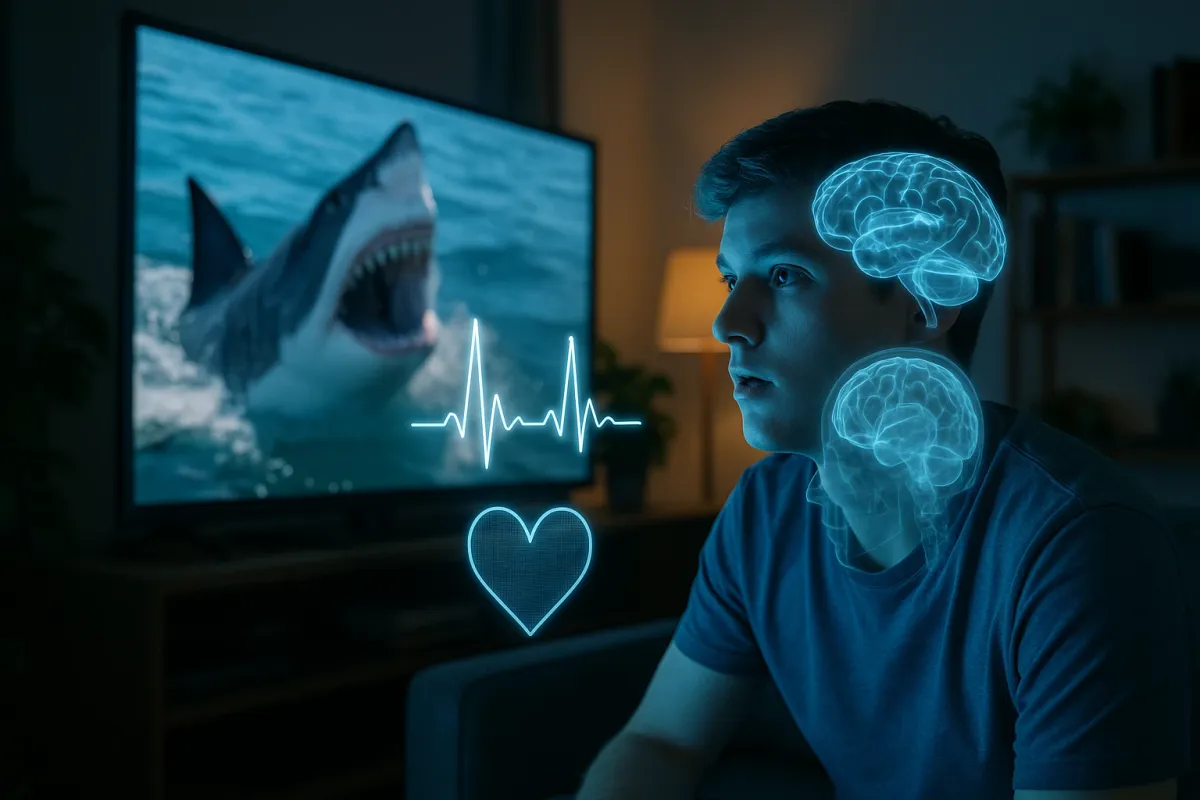
Long before social media, our ancestors had to rapidly spot threats—big cats, wolves, venomous snakes—just to see another day. Today, functional MRI studies show that our brains still carry a specialized “threat detection” circuitry that lights up when we see dangerous animals.
Research highlights:
- Studies using images of snakes, spiders, and predatory animals show faster visual detection and stronger activation in the amygdala (a key fear and salience center) compared with neutral images.
- One influential line of research from Öhman & Mineka describes a “preparedness” to learn fear of evolutionary threats much more efficiently than fear of neutral objects (like flowers or electrical outlets).
- Children and adults alike detect snakes and angry faces more quickly in visual search tasks, suggesting an evolutionarily tuned attention system.
What this means for you:
- When you see a headline about “the 15 most dangerous predators,” your attentional system is essentially hijacked by ancient survival code.
- That spike of attention isn’t weakness—it’s biology. Knowing this can help you be more intentional about what you doomscroll and when you need to step away.
2. Predator Images Can Raise Arousal—But That’s Not Always Bad
Threat-related content reliably increases physiological arousal—heart rate, skin conductance, and stress hormones like adrenaline and, in some cases, cortisol. But in a controlled context (a documentary, a well-made article, even a ranking list), that arousal often feels like excitement rather than fear.
Research highlights:
- Controlled experiments show that viewing fear-inducing but safe stimuli (e.g., horror scenes, predatory animals behind glass) increases sympathetic nervous system activity without long-term harm in healthy individuals.
- Moderate, time-limited bursts of stress—what scientists call “eustress”—can sharpen focus, enhance memory, and improve learning when followed by proper recovery.
- Studies on “recreational fear” (like haunted houses) suggest that people often report improved mood and sense of vitality afterward, as long as they feel fundamentally safe.
What this means for you:
- Engaging with high-arousal content (like dramatic predator sequences in nature shows) can be stimulating and even mentally energizing—as long as it’s balanced with low-stress time.
- If you’re already in a chronically stressed state (heavy workload, poor sleep), stacking intense threat-related content on top can tip your body toward over-activation. In that case, deliberately pairing such content with calming habits (breathing, walking, stretching) is wise.
3. Predator Stories Activate Deep Learning About Risk And Safety
When you read about or watch apex predators, your brain doesn’t just file it under “entertainment.” It builds and updates mental models of risk, danger, and strategy—the same systems used to navigate traffic, relationships, and career decisions.
Research highlights:
- Neurocognitive models of “threat learning” show that we build internal maps of:
- What predicts danger (cues)
- How to respond (fight, flight, freeze, avoid, or cooperate)
- Observational learning studies show that simply watching others encounter threats (even on screen) can influence your own fear responses and caution levels.
- Story-based learning—like following the survival strategies of wolves, lions, or orcas—leverages the hippocampus and prefrontal cortex, which are involved in memory and planning.
What this means for you:
- Predator content can function as a safe simulation environment for your threat system. You learn about:
- Patterns (when predators hunt, how prey adapt)
- Consequences (what happens when an animal takes unnecessary risk)
- Strategies (cooperation, camouflage, timing)
- Translating that to daily life, you can use the same mindset:
- Identify your “predators” (real stressors: deadlines, conflicts, financial pressure).
- Map patterns (when do they appear? what triggers them?).
- Plan responses that protect your long-term health (boundaries, sleep, movement, nutrition) instead of impulsive reactions.
4. Chronic “Predator Mode” Is Linked To Anxiety, Sleep Problems, And Burnout
There’s an important difference between short, contained thrills and living in 24/7 “predator mode.” When emails, notifications, and news alerts trigger your threat system all day, your body acts as if it’s perpetually surrounded by danger.
Research highlights:
- Chronic activation of the hypothalamic–pituitary–adrenal (HPA) axis is linked to higher baseline cortisol, altered immune function, and increased risk of anxiety and depressive symptoms.
- Sleep research shows that persistent hypervigilance—whether from real danger or perceived social/occupational threats—disrupts deep sleep and REM, key phases for recovery and emotional regulation.
- Longitudinal studies associate prolonged stress exposure with higher rates of cardiometabolic issues (e.g., high blood pressure, insulin resistance), even after adjusting for lifestyle factors.
What this means for you:
- If you constantly consume high-threat content (true crime, violent clips, doom-laden news, extreme predator footage), your brain may struggle to distinguish “screen danger” from “real danger.”
- Signs you’re stuck in predator mode:
- Difficulty relaxing even in safe environments
- Irritability and “snapping” at minor issues
- Racing thoughts at bedtime
- Reliance on caffeine to start the day and alcohol or sedatives to unwind
- For health-conscious readers, managing what you feed your threat system is as important as managing what you feed your body.
5. You Can Train A Healthier Threat System—And Supplements Are Only One Piece
A balanced, resilient stress response is built on behavior, environment, and—secondarily—careful use of evidence-based supplements. No capsule can fully override chronic “predator mode,” but some strategies and nutrients may support a healthier baseline.
Evidence-based strategies:
- Behavioral “off switches” for threat mode
- Short bouts (5–10 minutes) of slow, nasal breathing have been shown to reduce sympathetic activation and lower perceived stress.
- Regular moderate exercise improves stress resilience and can recalibrate HPA-axis responsiveness over time.
- Light and sleep hygiene
- Morning daylight exposure supports healthy circadian rhythms, which in turn stabilize cortisol patterns.
- Reducing intense threat content (including violent media or high-stakes work) close to bedtime supports better sleep quality.
Evidence-informed supplement angles (always secondary to habits):
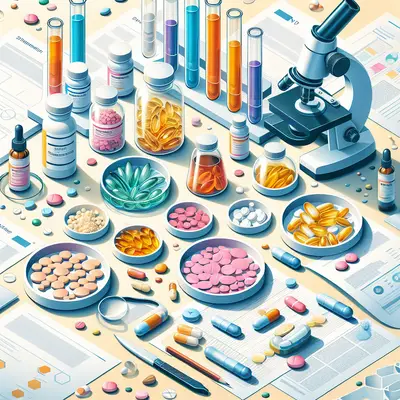
- Magnesium (especially glycinate or citrate forms)
- Often studied for its role in neuromuscular relaxation and as a cofactor in stress-response pathways.
- Some clinical trials suggest benefits for subjective anxiety and sleep quality, particularly in individuals with low dietary intake.
- L-theanine
- An amino acid from green tea; research shows it can promote a state of “relaxed alertness” by influencing alpha brain waves and modulating neurotransmitters like GABA and dopamine.
- Often studied in combination with caffeine for focus without excessive jitters.
- Omega-3 fatty acids (EPA/DHA)
- Meta-analyses suggest potential benefits for mood and stress-related symptoms, likely through anti-inflammatory and membrane-stabilizing effects.
Important:
- Supplements are supporting actors, not the main solution. If your daily life constantly mimics being stalked by a predator—hyper-competitive work culture, no breaks, high-conflict relationships—no product compensates for that.
- Always speak with a qualified healthcare professional before starting any new supplement, especially if you take medications, are pregnant, or have chronic conditions.
Conclusion
Our fascination with “the most dangerous predators in nature” is not just an algorithmic quirk—it’s a live demonstration of how your ancient survival hardware still shapes what you click, how you feel, and how your body responds to modern stress.
Understanding this system gives you an edge:
- You recognize when your predator circuitry is being triggered.
- You make more deliberate choices about what you watch and read, especially when you’re already under pressure.
- You build routines—movement, breathwork, sleep hygiene, targeted nutrition, and thoughtfully chosen supplements—that help your nervous system spend more time in recovery and resilience, not just reaction.
In other words: enjoying a well-produced predator ranking is perfectly natural. Just make sure that, in your own life, you’re not the one being silently hunted—by unmanaged stress, poor recovery, and an over-triggered threat system.
Key Takeaway
The most important thing to remember from this article is that this information can change how you think about Research.